Training

Practitioner Certification.

Practitioners certified by MNI work directly with Steven Rudolph, the originator of the framework. He reviews every portfolio, makes every gate decision, and issues every credential. No cohort. No assistant reviewers. Certification is by demonstrated competence: portfolio submissions, recorded sessions, real client work. Not by completing a module sequence.

20+ countries
1:1 with Steven
Portfolio-based
7 competency gates
Benefits

What the credential gives you

The credential gives experienced practitioners a clear, defined scope for using the Multiple Natures framework with clients. It clarifies what you are trained to offer, what you can honestly say you do, and where the work must stop.

Offer Nature, Situation, or Orientation work as a defined credential level instead of folding it into general coaching or consulting.

Separate a client's capacities, conditions, and point of view before deciding what kind of help belongs there.

Use the certified title for the level you hold and appear in the MNI practitioner directory while your credential is active.

Know what you can say, what you cannot say, and when the client needs another professional route.

Practitioner network

A credential with visible practitioners behind it

The directory currently lists 90 practitioners across more than 20 countries. The credential is attached to a public directory, not only a private certificate.

90 Practitioners listed in the public directory
20+ Countries represented by the practitioner network

View the directory

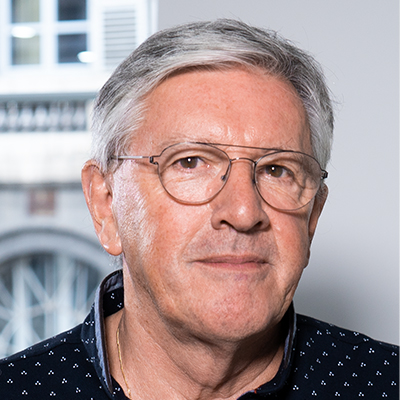
Sacha Lacoste
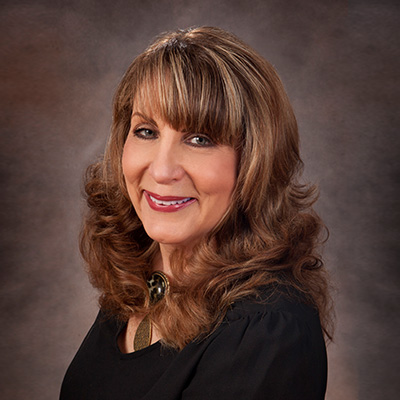
Nadine Deswasiere
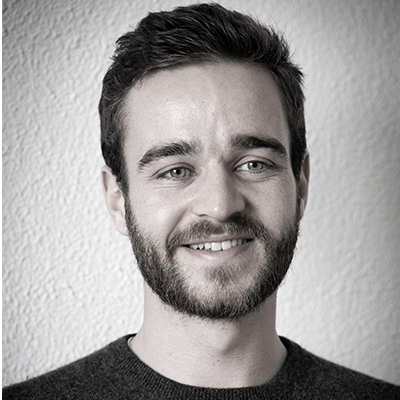
Robert Detey
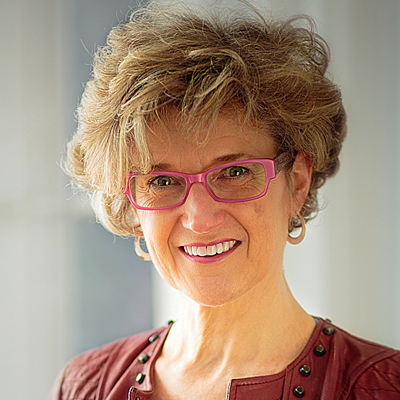
Renata Skimeliene
Jan Goodman
Corinne Jacob

What this is

A practitioner credential, not a completion course

This path is for people who already work with real cases and need a clear, structured method for using the three levels of the framework — Nature, Situation, and Orientation — with clients. The point is not to collect a badge. The point is to become accurate enough to use the work without doing harm.

Before applying, most practitioners should work through Multiple Natures and MN for Practitioners. The free books are useful for orientation, but the practitioner books carry the professional frame.

Learn to see what is actually in front of you: the person's nature, the demands around them, and the way they are orienting inside it.

Use language that stays inside the evidence. No personality typing. No identity labels. No overclaiming beyond the level you are certified to practice.

Submit written interpretations, recorded practice, case notes, and real client work so Steven can review the actual standard of your practice.

Know when to proceed, when to hold a claim lightly, and when to route a client elsewhere. The boundary is part of the credential.

Who this is for

  • Coaches, executive coaches, and career practitioners
  • Educators, counselors, facilitators, and learning designers
  • Consultants, advisors, HR partners, and people-and-culture leads
  • Therapists and clinical practitioners who want the framework as a bounded adjacent lens
  • Experienced practitioners who already sit with real client material and want more accurate language for what they are seeing

The common requirement is not a job title. It is that people bring you situations that need to be understood carefully.

Who this is not for

This is not quick credentialing. It is not a badge for people who want to sound diagnostic without accepting the discipline that diagnostic language requires.

  • Not for casual curiosity
  • Not for generic coaching language
  • Not for people looking for automatic certification after attendance
  • Not for therapy, clinical treatment, trauma treatment, or medical care

The credential has value because the claims are bounded. What you are allowed to say matters as much as what you learn to see.

How it works

How certification works

Every level follows the same structure: self-paced study, drills, written work, recorded practice, real client work, and Steven's direct review against seven competency gates.

1:1 with Steven

All portfolio reviews, gate assessments, and certification decisions are made directly by Steven Rudolph. No cohort. No assistant reviewers.

Portfolio-based

Submit real work — recorded sessions, written interpretations, client case files. Progress is reviewed against the required standard, not against a completion checklist.

Gates, not hours

Seven competency gates determine certification. The credential means something because of how it is earned — demonstrated work at the required standard, not hours accumulated.

1

Study the level

You work through the relevant framework, examples, protocols, and claim boundaries for Nature, Situation, or Orientation.

2

Practice on evidence

You complete drills, interpretations, analyses, session practice, and AI-literacy work with your reasoning visible.

3

Work with real clients

Each level requires at least three real client cases. Practice examples help, but they do not replace client work.

4

Submit the portfolio

Steven reviews the work directly. A learner may complete the sequence and still need more practice before a gate is passed.

5

Certify by standard

Certification is issued only when the submitted work demonstrates the required competence for that level.

Three levels, one credential

Certified MN Practitioner

The credential is earned in three levels: Nature, Situation, Orientation. Each level is its own program. Practitioners may take them in any order. Holding all three confers the full Certified Renergence Practitioner credential.

Level N · Nature

Certified MN Practitioner (Nature)

Seeing what comes naturally to someone. The Nine Natures, the Ten Intelligences, MNTEST interpretation, and Nature-based sessions with clients.

4–6 months · ~57 hours · minimum 3 client cases · $3,225

View program

Level S · Situation

Certified MN Practitioner (Situation)

Understanding what the setup is asking and what it is costing. Demand, supply, recovery, reward, underload, and compound buildup over time.

4–6 months · ~73 hours · 1:1 with Steven · $3,225

View program

Level O · Orientation

Certified MN Practitioner (Orientation)

Attending to how a person is seeing, carrying, and framing what they are inside of. Carryings, distortions, borrowed-ground discipline, and routing.

4–6 months · ~76 hours · 1:1 with Steven · $3,225

View program

Nature answers

Who is this person?

The Nature level trains the practitioner to interpret what someone is built for — without turning it into a fixed identity or telling them who they are.

Read the free Nature book →

Situation answers

What is the context asking?

The Situation level trains the practitioner to distinguish what the client thinks is happening from what their situation is actually doing to them.

Read the free Situation book →

Orientation answers

How are they looking at it?

The Orientation level trains the practitioner to see how the client is positioned inside their situation — what they're focused on, what they can't see, and what they're holding that's shaping everything.

Read the free Orientation book →

Certification standard

The seven gates

The gates are observable competence checks. They are not vibes, attendance marks, or a private impression of readiness. Each level uses the same certification logic, adapted to its own domain.

1

Language Gate

Can the practitioner use the framework's language without turning a client into a type, pathology, or identity claim?

2

Scope Gate

Can the practitioner know what the level can responsibly address, what it cannot, and when another route is required?

3

Analysis Gate

Can the practitioner interpret evidence compositionally instead of jumping to a single label or explanation?

4

Pattern Gate

Can the practitioner recognize the domain's named patterns and distinguish clean cases from compound ones?

5

Delivery Gate

Can the practitioner deliver the work to a client without over-explaining, over-claiming, advising prematurely, or crossing scope?

6

AI Gate

Can the practitioner use AI as a tool without letting it replace diagnostic judgment or erase the reasoning trail?

7

Portfolio Gate

Does the case record show competence over time, across real client work, with language and scope held throughout?

Portfolio

What Steven reviews

The portfolio is where the credential stops being theoretical. The question is whether the practitioner can hold the work when a real client brings a real situation.

Written interpretations, analyses, case notes, drills, and reflection on the practitioner's own reasoning.

Recorded practice or client-facing sessions, reviewed for delivery, scope, language, and judgment.

At least three real client cases for each level, with additional work required when competence is not yet visible.

AI-use evidence showing that human judgment governs the interpretation, delivery, and certification-level decision.

Client recording and portfolio-handling requirements are reviewed before any client material is submitted. Public checkout is not active for this offer.

Fees

Fee, format, and time

The offer is intentionally simple. Each level is its own credential. Certification is reviewed by Steven, not processed through a checkout flow.

Fee

$3,225

Per level. Nature, Situation, and Orientation are enrolled separately.

Time

4–6 months

Per level. Nature is about 57 hours, Situation about 73 hours, and Orientation about 76 hours.

Format

1:1 review

Steven reviews the portfolio, assesses each gate, and makes the credential decision.

Enrollment

Apply first

No public self-service checkout. Fit, level, and final terms are handled before a place is confirmed.

FAQ

Questions practitioners usually ask

Can I take the levels in any order?

Yes. Nature, Situation, and Orientation are standalone credential levels. Some practitioners begin with Nature because it is the oldest and most concrete doorway. Others begin with the level closest to their existing work.

What happens when I complete all three?

Holding all three levels confers Certified Renergence Practitioner. There is no separate fourth program and no separate full-credential fee.

Is certification based on attendance?

No. Completion alone does not certify. Certification requires demonstrated competence through gates, written work, recorded practice, client work, portfolio review, and Steven's decision.

Is this therapy or clinical training?

No. The credential does not certify therapy, clinical treatment, trauma treatment, or medical care. Practitioners are trained to hold scope and route appropriately.

Can I use AI during training?

Yes. Each level includes AI use and AI literacy. AI may support preparation and documentation, but it does not govern the interpretation, delivery, or certification decision.

What if my work is not ready at a gate?

Then the answer is not yet. That is part of the design. The gate shows what needs more practice before the credential can mean what it says.

How do I start?

Begin with an inquiry. Because the levels are distinct, the first conversation is partly about fit: which level is the right starting point, whether your current practice can support the client-work requirements, and what credential path makes sense.

Inquiry

Start with the right level.

The next step is an inquiry. Tell us about your professional background, the kind of client work you already do, and whether you are considering Nature, Situation, Orientation, or the full Renergence path.